
The Pickup Shift: Research Every Retail Brand Should See


Is your retail brand ready for the rise of pickup?
Pickup lets shoppers collect online orders from convenient locations like lockers, stores or pickup points instead of having them delivered to their home.
With hybrid work now the norm and porch piracy on the rise, more consumers are turning away from the ‘ship-to-home’ default in favour of smarter, more secure alternatives.
HubBox‘s latest research confirms the shift. And in this article we’re combining two strands of our research – a survey of over 1,000 US shoppers, and separate preference and UX testing with hundreds of shoppers across the US, UK and Europe.
Together, the findings reveal rising demand for delivery options that offer greater control and convenience, especially among younger, urban, digitally-savvy consumers, and show what retailers can do about it.
TL;DR
- Pickup is becoming more popular, especially among younger and urban shoppers.
- 70% of shoppers want the option to choose pickup at checkout.
- Free pickup would make 55% more likely to complete their purchase.
- Retailers can save up to $5 per package and around 30% on shipping costs with HubBox.
- Pickup helps reduce missed deliveries, porch theft and customer service issues.
- Shoppers are most influenced by price, delivery speed, discounts and nearby collection locations.
- Clear checkout messaging can significantly increase pickup adoption.
A different route for delivery
Home delivery is still the first choice for many customers. The average American shopper gets just over three quarters (76%) of their online orders delivered to their home. But there’s definitely a clear shift taking place.
Our research reveals growing numbers of consumers are turning to Access Points (think lockers, stores and pickup locations) for a quicker, more convenient way to receive their goods.
Gen Z leads the shift, choosing pickup for 24% of their online purchases. Millennials follow closely, using Access Points for one in five orders.

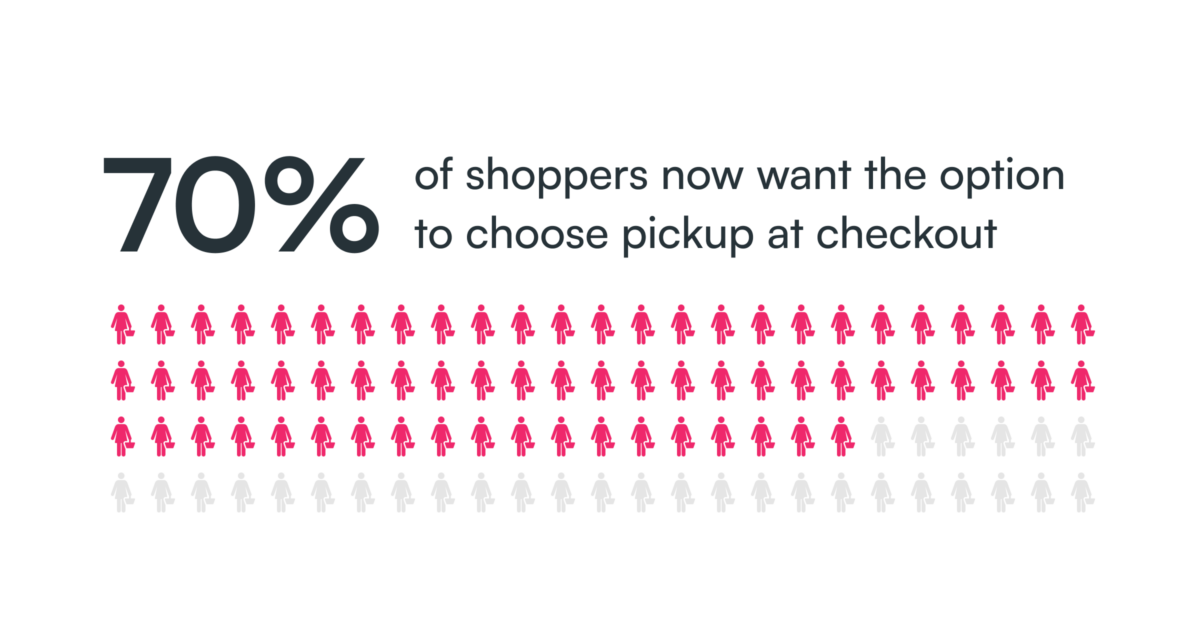
And demand is growing, with 70% of shoppers now wanting the option to choose pickup at checkout.
Why are more online shoppers choosing pickup?
So what’s behind the shift?
More than a quarter of consumers say pickup is easier based on their lifestyle, rising to 35% for Millennials, revealing that convenience is key.
Other top motivations include:
- To avoid late deliveries – 27%
- Porch piracy concerns – 24%
- To cut delivery costs – 22%
- Speed of delivery – 20%
- To avoid mis-deliveries – 15%
- To avoid delivery anxiety – 14%
- As an eco-friendly alternative to home delivery – 9%

Picking up savings and more cart conversions
While convenience is a clear motivating factor, cost is also a large part of the puzzle.
According to our study, 56% of shoppers would consider using an Access Point if it meant saving money at checkout. The figure jumps to 68% for Millennials.
Pickup is especially appealing for high-value items. Shoppers are most likely to choose local pickup locations or lockers for expensive purchases (31%), medicines and prescriptions (29%), electronics and food & drink (both 26%).
Offering pickup at checkout with HubBox offers cost savings to retailers, too. By taking advantage of consolidated delivery discounts and reduced residential and peak season surcharges, retailers using HubBox save as much as $5 per package and an average of 30% on shipping costs.
Retailers offering pickup via HubBox are also able to cut their cart abandonment rates, sometimes significantly, by giving shoppers the shipping options they want to see.
If pickup is free, it’s even more persuasive. More than half of shoppers (55%) told us they’d be more likely to complete the checkout process if free delivery to a pickup point was available. Four in 10 shoppers said pickup at checkout is their number one priority when shopping online and 76% placed it in their top three.


The hidden costs of home delivery
Our study revealed that 56% of shoppers would prefer to use pickup to protect their deliveries from porch piracy, and it’s easy to see why.
Theft from doorsteps is a major and growing issue, especially in large American cities. More than a third (36%) of shoppers have had parcels stolen, jumping to 47% for those in towns and cities.
On average, victims have been hit six times in the past year in the US, losing goods worth over $315.
It’s a customer service nightmare for retailers that’s costing millions every year. While two-thirds tend to replace the stolen item with no fuss, half of consumers said they’d been left out of pocket or had to fight for a replacement.
The damage done to a retailer’s reputation by porch piracy can be considerable. More than a third (37%) of consumers told us they avoided a retailer after a porch theft incident. Another 46% said it dented their trust in the brand.
Peak season pain
Peak season only intensifies the problem. During the 2025 US holiday season, packages were expected to be delayed on 10% to 12% of shipments, as carriers prepared to move about 2.3 billion parcels.
Porch theft also spikes during peak season, with more than three quarters (80%) of victims having items stolen during the Black Friday to Cyber Monday window.
Customer acquisition costs retailers an average of $78 per customer, and it can be even more during peak season. Recovery from peak season delivery failures, like missed packages, frustrated buyers, costly reships, can quickly wipe out any gains made.
Adding pickup at checkout with HubBox allows retailers to protect their investment in customer acquisition and reduce the risks that come with home delivery. It’s easy to implement and cost-effective. More importantly, it meets growing customer demand for convenience and control.
To avoid delivery drama at peak season, shoppers are already turning to pickup options at checkout:
• 63% prefer Access Points during Black Friday for convenience
• 63% say they’ll use them to hide holiday gifts from curious family members
• Gen Z are especially on board, with 69% using pickup to avoid theft at peak season
What shoppers respond to: 4 levers from our UX research
Knowing shoppers want pickup is one thing. Converting that demand at checkout is another. In separate preference testing and moderated UX research with hundreds of shoppers across the US, UK and Europe, we identified four levers that determine whether shoppers actually choose pickup.
1. Free delivery and pricing
Shipping costs are a deal breaker, with 75% of shoppers ranking free delivery as a top three priority when choosing a delivery method. Many told us they’ll actively add items to their basket to dodge shipping fees. As one shopper put it: “Nobody loves to pay for extra delivery costs.”
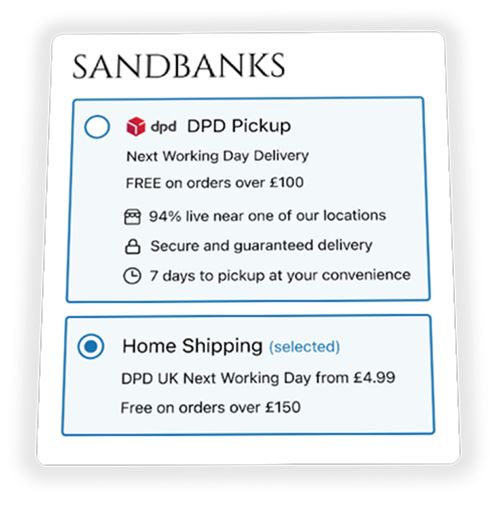
Positioning pickup as the zero-cost or low-cost option is the single most powerful adoption lever. When we made research-led tweaks to pricing messaging for one retailer, Sandbanks, pickup adoption jumped from 13.7% to 18.3%.gs.
2. Delivery speed
Almost three quarters of shoppers ranked delivery timing in their top three priorities. Customers want transparency on timelines and minimal waiting, though not everyone demands next-day, and free delivery offsets longer waits for many.
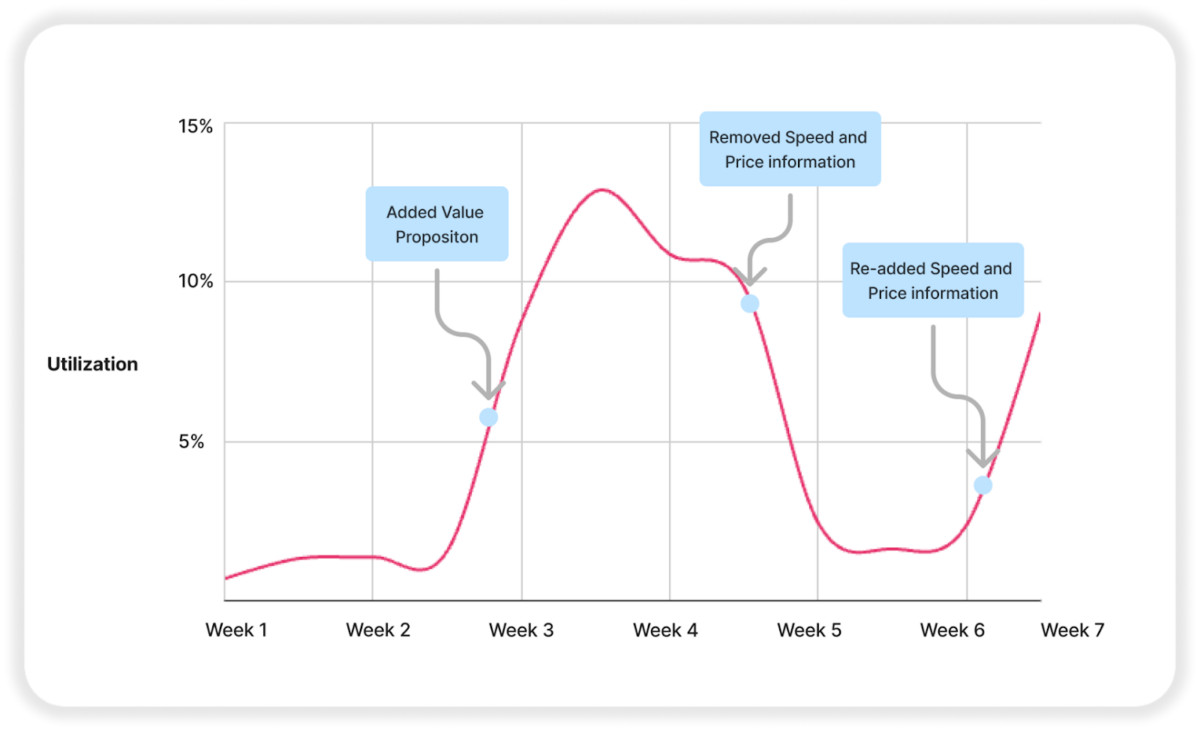
The impact of communicating this clearly is dramatic. When one of our apparel retailers added key value propositions around pickup speed at checkout, usage rates exploded from 0.7% to over 12%, and fell back again when they were removed.
3. Discounts
Half of shoppers ranked discounts and savings in their top three selection priorities. Immediate savings are the most attractive, with percentage and dollar discounts both motivating delivery choice. “Everybody loves a discount,” one shopper told us. The nuance is that smaller order values see less enthusiasm for percentage discounts, so discounting strategies need tailoring to basket size.
4. Convenience, flexibility and location
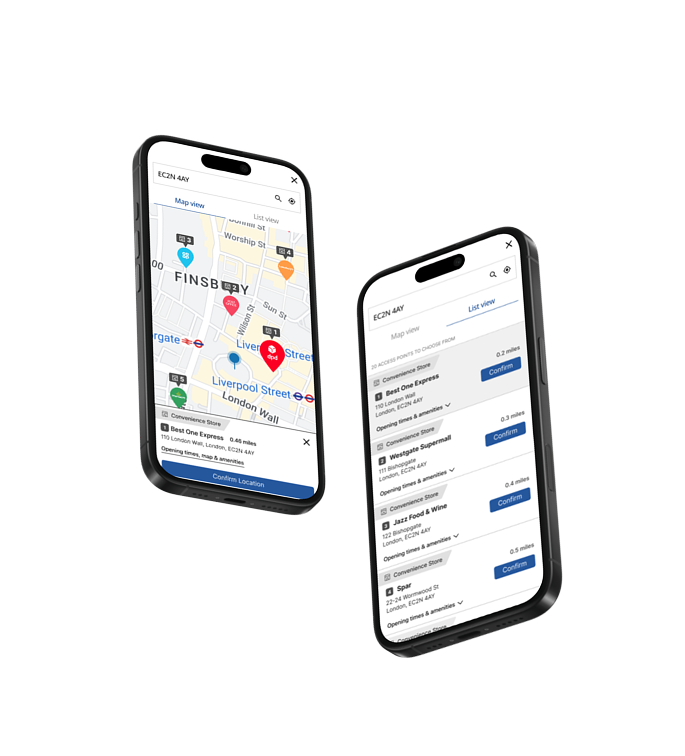
Almost two-thirds of shoppers prioritise convenience when choosing a delivery method, and proximity drives the decision. “It does have to be close enough for me to bother,” one shopper explained. Broad claims like ‘thousands of pickup locations’ mean little without context, as shoppers want precise distances, opening times and a quick in-and-out collection experience. When our experts make convenience and flexibility improvements for retailers, we see success rates above 91%.
Pickup at checkout is the future of retail
The benefits of pickup are clear for everyone involved.
It means more control, less risk and a delivery experience that fits around the consumers life, as well as cost savings.
For retailers, HubBox translates to lower shipping costs, higher conversion rates and fewer customer service issues because orders are delivered right the first time. Fewer missed deliveries mean fewer complaints, returns and a smoother post-purchase experience.
Offering pickup helps meet rising customer expectations and keeps you ahead of the curve in a competitive market. It’s a straightforward way to add convenience, reduce delivery risk, and build stronger customer loyalty.
The good news is HubBox’s pickup at checkout software makes it easy for retailers to offer local collection options at checkout.
Trusted by 3,000+ brands, including Macy’s, Gap and Selfridges, HubBox helps retailers reduce shipping costs, cut missed deliveries and boost conversions, while giving customers the flexible delivery options they now expect.
HubBox is a plug and play solution that can be integrated from just one day. Find out how pickup looks in your checkout – speak to the team.


